


 0
0
 0
0
Water shortage, high maintenance, and ecological footprint are the primary issues of the buildings, business, and social facilities today. This is why the most appropriate waterless urinal system and the highest possible standards of eco-friendly cleaning solution may allow to save water, lessen waste, and finally provide high-level hygiene.
So What Is the “Best Thing about a Waterless Urinal System?
The best waterless urinal system is not merely the one that does not consume any water, but rather the one that is the result of a complex of design, durability, hygiene, and maintenance comfort. The best waterless urinals normally include:
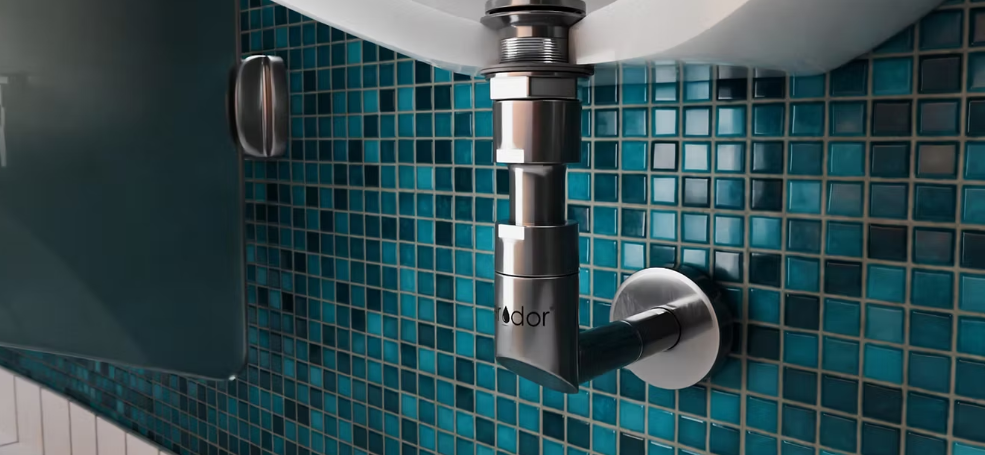
- Solid odor-sealing trap or cartridge – stops the sewer gases escaping yet the liquid may drain off.
- Long lasting, easy to wash surfaces – ceramics or treated substances that do not build up, are not scale resistant, or are not stain resistant.
- Low-maintenance design Design – none of the flush valves and cisterns are allowed to fail, fewer moving parts and less plumbing complexity.
- Being compatible with eco-cleaning solutions – traps or seals may be harmed by harsh acids or other corrosive chemicals.
- Durability and comfort of the user Long-term reliability, low splash or splatter, general hygienic performance.
Waterless urinals used properly and cleaned with non-toxic eco-friendly cleaning agents have a reliable odorless service and save a huge amount of water in the long term.
What are the most popular environmentally-friendly cleaning product you would use with waterless urinals and restrooms?
The cleaning products are important to achieve the best outcomes of a waterless urinal or any type of restroom equipment. The following are some of the most environmentally-friendly cleaning methods:
- Enzyme drain and trap cleaners: These are cleaning agents based on natural enzymes or bio-agents to loosen organic residues, salts of urine or deposits – without harsh chemicals in the drain.
- Plant-based, biodegradable, surface cleaners: Contain no harsh acids, phosphates, or artificial scent-free: the cleaner is able to clean urinals, tiles, and bathroom fittings without compromising material factors or indoor air quality.
- VOC-free disinfectants and sanitizers: these are used to kill germs and bacteria without imposing volatile organic compounds that cause odors or indoor air pollution.
- pH-neutral cleaners: These cleaners are good when cleaning sensitive surfaces on a regular basis – they do not corrode metal or destroy seals.
- Eco-friendly deodorizers and air-neutralizers: Natural or bio-neutralizers that do not cover the odor but neutralize it with powerful perfumes.
Such environmentally friendly solutions will make waterless urinals last longer, remain hygienic, and help to make the indoor environment healthier when cleaned and maintained.
What Reason Do Organizations Have to Change to Waterless Urinals and Cleaning that is Eco-Friendly?
There are several benefits associated with the switch to these green systems:
- Significant water conservation: Since there is no flushing, water consumption is cut by a huge margin – a huge saving in areas with a water shortage or in a high-occupancy structure.
- Reduced cost of maintenance: Fewer moving parts and less plumbing as well as minimal occurrence of flush-valve failures.
- Green wastewater discharge: Reduced amount of water translates to reduced wastewater, which will lead to decreased workload on sewage treatment systems.
- Better hygiene and indoor air quality: Eco-cleaning does not use harsh chemicals which means that chemical exposure is reduced among the users and the staff.
- Greener sustainability credentials: Organizations can demonstrate their dedication to water conservation and green practices – useful in certifications, ESG reporting or compliance with green building.
What are the Factors to Be Borne in mind when deciding on a Waterless Urinal System?
Be sure to check before instalment:
- Odor-sealing mechanism type – membrane trap, liquid sealant, cartridge type; depending on the use and maintenance capacity.
- Construction material quality – ceramic or high grade plastic/resin which cannot be stained and needs easy cleaning.
- Cleaning frequency, and cleaning product – select softer and friendly to environment cleaning products that do not harm seals.
- Drainage compatibility system -sufficient plumbing design that facilitates an unobstructed flow.
- Usage trends and user counts — where there are a large number of users, more frequent maintenance, and cartridge replacement can be required.
- Cost over lifecycle – take into the account long-term water savings, maintenance savings, and replacement costs, against initial cost.
FAQs
Q1. Are urinals that do not use water hygienic and safe?
Yes. An effective quality waterless urinal with an adequate odor sealing trap installed and maintained by appropriate eco-friendly cleaners is hygienic, odor free, and safe in any bathroom, be it at home or in a business.
Q2. Are eco friendly cleaning products effective in cleaning as well as regular chemicals?
Absolutely. Enzyme and plant-based cleaners of modern generation have strong cleaning and sanitizing effect, and in many cases, similar to traditional chemical cleaners, they do not leave harmful residues or fumes.
Q3. Are waterless urinals going to be unpleasantly odored in the long run?
Not if maintained properly. The sealing trap helps in the preventation of escapes of sewer gas. Odor can be managed effectively combined with frequent cleaning with the help of the environmentally friendly products.
Q4. Are waterless urinals retrofitable in existing washrooms?
Yes. A number of the waterless urinals are easy to install and can replace the conventional urinals with very little plumbing modifications and therefore can be used in retrofit projects.
Q5. Are cleaning agents that are eco-friendly useful in prolonging the life of urinals and fixtures?
Yes. They do not use harsh acids and corrosive chemicals, hence do not cause damage to seals, surfaces and traps and last longer, and require less maintenance.
Q6. Are waterless urinals appropriate in high traffic restrooms (such as malls, airports, offices)?
Yes. Waterless urinals can be used in a facility with sufficient capacity, and thus be used effectively and sustainably, with proper maintenance (cleaning, checking tap, and possibly changing the seal/cartridge more often).
Conclusion
Selecting the most suitable waterless urinal system and combining it with the top eco-friendly cleaning solutions is a good sustainable method to manage the restrooms. This combination provides significant water savings, saves on maintenance, provides long-term hygiene and contributes to environmental responsibility.
In the case of businesses, offices, hotels, institutions, or public facilities that require a green solution to sanitation, the waterless urinals and green cleaning are not a trend that is going away but it is the future.